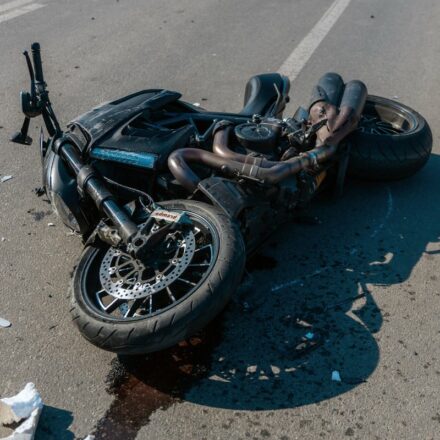
A Guide to Making a Motorbike Accident Personal Injury Claim
Motorcycle accidents can have serious physical, emotional, and financial consequences. If you’ve been injured in a collision that wasn’t your fault, you may be entitled to compensation by making a motorbike accident injury claim.

This guide explains the key steps involved in making a motorbike accident injury claim. It helps you understand the process from start to finish, highlighting how expert guidance from Edwards Duthie Shamash Solicitors can make a real difference.
Step 1. Seek Medical Attention Immediately
Your first priority after any accident is your health. Even if injuries seem minor, it is essential to get a full medical assessment. Medical records are vital for any personal injury claim. They provide clear evidence of the injuries sustained, treatment received, and any ongoing care that may be required.
Bradley Wright, a personal injury lawyer at Edwards Duthie Shamash, advises that early medical attention not only protects your health but also strengthens your motorbike accident injury claim by documenting the immediate impact of the accident.
Step 2. Collect Evidence at the Scene
Evidence collected at the scene can be critical in establishing liability. Take photographs of your motorcycle, any damage, and the surrounding area. Note the names and contact details of any witnesses and record any police incident reference numbers or incident numbers. If you have a dashcam or helmet camera, save the footage immediately.
Bradley Wright emphasises that careful documentation can make the difference in proving fault, particularly in cases where the accident was not straightforward.
Step 3. Notify Your Insurance Provider
Contact your insurer promptly and follow their reporting procedures even if the accident was not your fault.
At Edwards Duthie Shamash, Bradley Wright often liaises directly with insurers to handle the technicalities, allowing clients to focus on recovery.
Step 4. Understand the Types of Compensation
Motorbike accident injury claims typically include two categories:
- General damages: For pain, suffering, and loss of enjoyment of life.
- Special damages: For financial losses, such as medical treatment, repairs, travel expenses, and lost income.
A specialist solicitor like Bradley Wright ensures that all eligible losses, including future costs for rehabilitation or long-term care, are accurately calculated, helping clients secure the full compensation they deserve.
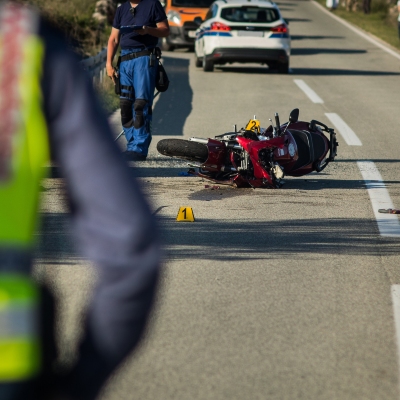
What are the Most Common Causes of Motorcycle Accidents and How do They Affect Personal Injury Claims?
Motorcyclists are at high risk on UK roads, and many accidents are caused by driver error, road defects or unsafe manoeuvres. This guide explains the most common causes of motorcycle accidents and how they affect personal injury claims, liability and evidence. Discover how a specialist solicitor can help you prove fault and claim compensation.
Step 5. Consult a Specialist Solicitor
Motorbike claims often involve complex liability issues, including road conditions, visibility, or contributory negligence. A solicitor experienced in motorbike accident injury claims can:
- Investigate the circumstances of the accident and gather evidence
- Establish who is legally responsible
- Negotiate with insurers to maximise compensation
- Guide you through the legal process from start to finish
Our specialist personal injury solicitors here at Edwards Duthie Shamash work on a No Win No Fee basis, making expert legal support accessible even if you are facing financial difficulties following an accident.
Step 6. Be Mindful of Time Limits
In England and Wales, most personal injury claims must be started within three years of the accident. Acting promptly ensures that evidence is preserved, witnesses remain available, and the claim is strengthened. Bradley Wright advises that early legal guidance is crucial to ensure deadlines are met and no aspect of the claim is overlooked.
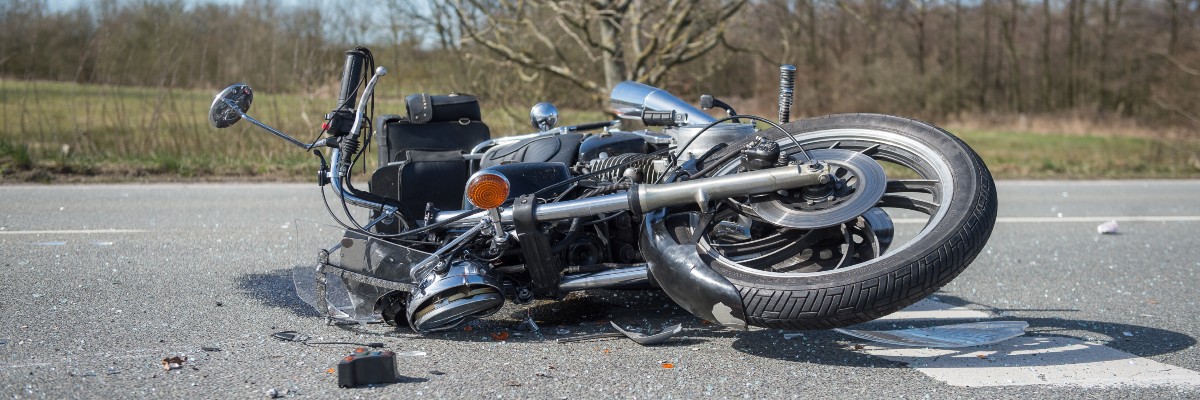
If you have been injured as a result of a motorbike accident then you may be eligible for compensation. Our experienced personal injury solicitors are here to support you through this difficult process, helping you secure the compensation and rehabilitation you are entitled to.
Conclusion
Making a motorbike accident injury claim may feel daunting, but following this guide can help simplify the process. From seeking medical attention to collecting evidence, notifying insurers, and consulting a specialist solicitor, each step is essential in securing the compensation you are entitled to.
With expert guidance from Bradley Wright at Edwards Duthie Shamash Solicitors, you can navigate the process with confidence, knowing that your claim is being handled professionally and efficiently. Acting quickly and seeking personal injury solicitors maximises your chances of achieving the best outcome after a motorbike accident.
Motorcycle Injury Compensation Claim FAQs
You can usually make a claim if you were injured in a motorcycle accident caused wholly or partly by someone else’s negligence. This may include another driver, a local authority responsible for the road, or a third party such as an employer or vehicle manufacturer. Even if liability is disputed, you may still be able to claim with the right legal advice.
Key evidence may include medical records, photographs of the scene and vehicle damage, witness statements, police reports, dashcam or helmet camera footage, and repair estimates. A solicitor can also arrange expert reports to strengthen your claim and prove how the accident occurred.
Compensation depends on the severity of your injuries and the financial impact of the accident. Claims can include damages for pain and suffering as well as losses such as medical expenses, lost earnings, travel costs, motorcycle repairs, and future rehabilitation or care needs.
Yes. In England and Wales, most motorcycle accident claims must be started within three years of the date of the accident. There are some exceptions, such as claims involving children or those lacking mental capacity, so it is important to seek legal advice as soon as possible.
Yes. If you were injured by an uninsured or untraced driver, you may still be able to claim compensation through the Motor Insurers’ Bureau (MIB). A specialist solicitor can handle the process and ensure your claim is submitted correctly.