Asbestos and Mesothelioma Compensation Claims Solicitors
If you or a loved one has developed an asbestos-related illness such as mesothelioma, asbestosis or asbestos-related lung cancer, you may be entitled to compensation. At Edwards Duthie Shamash, our experienced asbestos claims solicitors provide specialist legal advice and support, helping you pursue a claim and access the compensation and financial support you may be entitled to.
What are the Dangers of Asbestos?
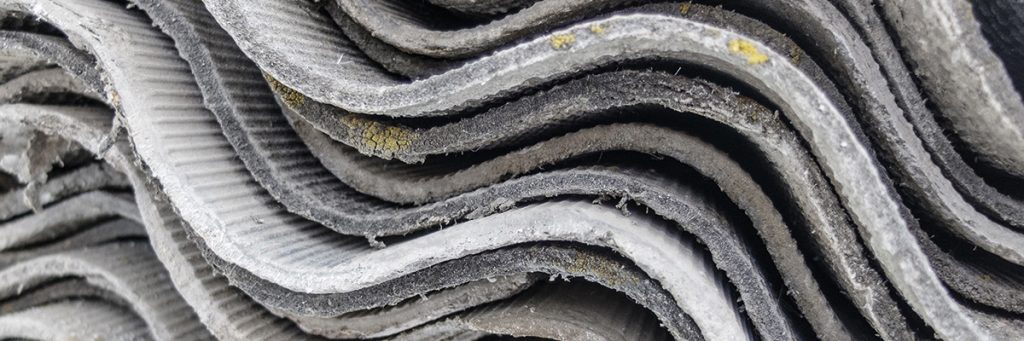
Asbestos is the name given to a group of minerals made up of microscopic fibres that were commonly used in the building trade; particularly in factories, hospitals, homes and schools as insulation. When these fibres are released into the air, they can enter the lungs and cause life-changing conditions.
If you or a loved one has been diagnosed with an asbestos related disease, we can help.
Exposure to asbestos can cause a range of illnesses including:
- Mesothelioma: This condition attacks the lining of the lungs, and once diagnosed it is unfortunately almost always terminal.
- Asbestosis: Like mesothelioma, asbestosis symptoms may emerge many years after initial exposure. Asbestosis results in scarring of the lungs but is not necessarily fatal.
- Asbestos related lung cancer: This condition is identical to the more common form of lung cancer.
- Pleural thickening: This is the name given to inflammation of the lungs. It is not fatal but is common among people exposed to asbestos.
Steps to take if exposed to asbestos
Exposure to asbestos can have serious consequences, with conditions such as mesothelioma, asbestosis and asbestos-related lung cancer potentially developing decades later. This guide explains the risks of asbestos exposure, what symptoms to look out for and how Edwards Duthie Shamash can help with asbestos compensation claims.
How to Make an Asbestosis or Mesothelioma Claim
If you have been diagnosed with mesothelioma, asbestosis or another asbestos-related illness, it is important to seek legal advice as soon as possible. An asbestos compensation claim can be complex, particularly where your exposure occurred many years ago, so specialist legal advice can help you understand whether you have a claim and what compensation you may be entitled to.
How Long Does an Asbestos Claim Take?
Mesothelioma and asbestosis claims can take around 12 to 24 months to resolve. Claims involving lung cancer or more complex asbestos-related conditions can take up to three years, depending on the circumstances of the case.
How Long Do I Have to Make an Asbestos Claim?
There are strict time limits for making a personal injury claim. In many cases, you generally have three years from the date you were diagnosed with your asbestos-related condition to begin a claim. However, the rules can vary depending on the circumstances, so you should contact our solicitors as soon as possible.
Can I Claim for Asbestos Exposure That Happened Decades Ago?
Your exposure to asbestos may have happened decades ago. This does not necessarily prevent you from making a claim. Our experienced asbestos claims solicitors can investigate your employment history, identify where and when you may have been exposed, and trace former employers and their insurers, even where businesses have since ceased trading.
Can I Claim Compensation for an Asbestos-Related Illness?
If you were exposed to asbestos during your employment and have developed an asbestos-related illness, you may be entitled to compensation. Edwards Duthie Shamash can provide specialist advice and support throughout your claim, with No-Win No-Fee arrangements available in suitable cases.
We Support You Through the Asbestos Claims Process
An asbestos-related illness can have a profound impact on you and your family. Our specialist solicitors can provide practical legal advice and support throughout the claims process, helping you understand your options and access the financial assistance you may be entitled to.
Can I Claim Government Benefits or a Lump Sum Payment?
We can assist you with applications for state benefits and government compensation schemes. Depending on your circumstances, you may be able to claim through the Diffuse Mesothelioma Payment Scheme (DMPS) if:
- your mesothelioma was caused by exposure to asbestos through employment in the UK;
- you cannot trace the employer or insurer responsible for your asbestos exposure; and
- you meet the relevant time limits and other eligibility requirements.
We can explain whether you may qualify and guide you through the application process.
How Can You Help My Family?
Our support extends beyond your asbestos compensation claim. We can help with other legal matters that may arise, including making a Will, applying for a Grant of Probate and advising on Trusts.
If a loved one has sadly died following an asbestos-related illness, we can also provide advice and representation for families dealing with the Coroner and Inquest process.
What Happens If Someone Dies During an Asbestos Claim?
We understand that an asbestos-related illness can sadly be fatal. If a loved one dies before their compensation claim has concluded, we can continue to pursue the claim on behalf of their estate where appropriate.
We can also advise and represent eligible dependants who may have their own claims following the death of a loved one. Our aim is to provide clear, compassionate support to families at what can be an extremely difficult time.

Asbestosis and Mesothelioma Compensation Claims FAQs
The amount of compensation you may receive for mesothelioma, asbestosis or another asbestos-related illness will depend on the individual circumstances of your claim. Factors can include the severity of your illness, its impact on your quality of life, your financial losses, care needs and whether you have a reduced life expectancy.
At Edwards Duthie Shamash, our specialist asbestos claims solicitors will assess your circumstances and explain the compensation you may be entitled to claim.
Contact us for specialist advice about your asbestos or mesothelioma claim.
Yes, potentially. Asbestos-related diseases can take decades to develop, so it is common for a significant period of time to have passed between exposure and diagnosis. This does not necessarily prevent you from making a claim.
Our experienced asbestos claims solicitors can investigate your employment history, establish where your asbestos exposure occurred and trace former employers and insurers, including where a business is no longer trading.
Edwards Duthie Shamash can investigate your potential claim and advise you on your legal options.
Contact our specialist team today.
There are strict time limits for personal injury claims, although the rules can be different for asbestos-related diseases because symptoms and diagnoses may occur many years after exposure. In many cases, you have three years from the date of diagnosis or the date you became aware of the connection between your illness and another party’s actions.
There can be exceptions, so you should seek legal advice as soon as possible rather than assuming it is too late to claim.
Edwards Duthie Shamash‘s asbestos claims solicitors can advise you on the applicable time limit and help protect your position.
Get in touch with us as soon as possible.
Yes. The fact that your former employer has ceased trading does not necessarily prevent you from making an asbestos compensation claim. There may be insurance records that allow the responsible employer or insurer to be identified.
Our solicitors can investigate your employment history and work to trace businesses and insurers responsible for your historic asbestos exposure.
If you were exposed to asbestos at work, speak to Edwards Duthie Shamash. Our specialist solicitors can investigate whether you may have a claim.
You may still be able to make a claim. Asbestos exposure often occurred many years before a person develops mesothelioma, asbestosis or another asbestos-related disease. You may not remember exactly when, where or how the exposure happened.
Our solicitors can investigate your employment history and other available evidence to identify potential sources of asbestos exposure and determine whether a claim can be pursued.
Edwards Duthie Shamash has experience handling complex asbestos and mesothelioma claims.
Contact us for advice about your circumstances.
Potentially. If someone dies before their asbestos compensation claim has concluded, their estate may be able to continue pursuing the claim, depending on the circumstances. Certain family members or dependants may also have their own claims following the death of a loved one.
We can provide advice about the legal and financial options available to your family and help with matters including the estate, Probate and Coroner or Inquest proceedings where appropriate.
If a loved one has died following an asbestos-related illness, Edwards Duthie Shamash can provide compassionate specialist advice.
Please contact us to discuss your family’s circumstances.
You may be entitled to financial support through government schemes if you have developed mesothelioma as a result of asbestos exposure and cannot claim compensation from an employer or their insurer. Depending on your circumstances, this may include the Diffuse Mesothelioma Payment Scheme or a payment under the Pneumoconiosis (Workers’ Compensation) Act 1979.
Eligibility and time limits apply, so specialist advice is recommended before making an application.
Edwards Duthie Shamash can advise you about government compensation schemes and help you understand which options may be available to you.
Contact our asbestos claims solicitors for advice.
In suitable cases, Edwards Duthie Shamash may be able to act under a No-Win No-Fee agreement. This can allow you to pursue an asbestos or mesothelioma compensation claim without having to pay our legal fees if your claim is unsuccessful, subject to the terms of the agreement.
We will explain how your claim would be funded, what costs may apply and what you could be responsible for before you proceed.
If you have been diagnosed with mesothelioma, asbestosis or another asbestos-related illness, contact Edwards Duthie Shamash to discuss your claim and whether a No-Win No-Fee arrangement may be available.