
Can You Claim Compensation for Complications After Weight Loss Surgery?
Weight loss surgery can make a significant difference to your health and quality of life. But when complications arise, patients may face further treatment, prolonged recovery and unexpected health problems.
Some complications are recognised risks of surgery. Others may result from mistakes during treatment or inadequate medical care afterwards.
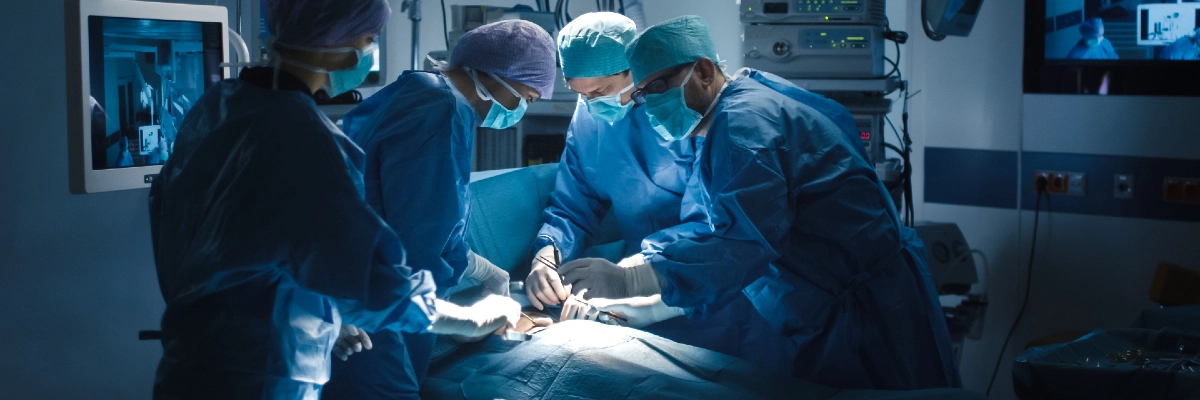
If you have suffered avoidable harm following gastric bypass, gastric sleeve or gastric band surgery, you may be entitled to compensation.
At Edwards Duthie Shamash Solicitors, our experienced medical negligence solicitors can investigate what happened and advise whether you have grounds to make a weight loss surgery compensation claim.
What Complications Can Occur After Weight Loss Surgery?
Weight loss surgery, also known as bariatric surgery, carries risks like any surgical procedure. Although most patients recover without serious complications, problems can arise during recovery or develop much later.
Recognised complications include:
- Internal bleeding: Bleeding during or after surgery that may require further treatment.
- Infections: Including wound infections and potentially serious infections within the abdomen.
- Stomach leaks: Leakage from the stomach or surgical connections following gastric bypass or gastric sleeve surgery.
- Blood clots: Including deep vein thrombosis and pulmonary embolism.
- Bowel obstruction: Blockages that may cause abdominal pain, vomiting and difficulty eating.
- Gastric band complications: Including movement or slippage of the band.
- Nutritional deficiencies: Problems associated with reduced nutrient absorption or inadequate nutritional intake.
These are among the recognised complications of weight loss surgery identified by the NHS. They do not automatically indicate negligence. However, concerns may arise where appropriate medical care could have prevented the problem or reduced its severity.
When Can Weight Loss Surgery Complications Lead to a Negligence Claim?
A complication does not necessarily mean that the surgeon or hospital made a mistake.
To bring a successful medical negligence claim, you generally need to establish that the treatment fell below acceptable professional standards and that this caused or worsened your injury.
Potential examples include:
- Surgical errors causing avoidable damage to internal organs.
- Failure to recognise signs of infection or internal bleeding.
- Delayed diagnosis or treatment of a stomach leak.
- Inadequate monitoring during recovery.
- Failure to investigate persistent symptoms.
- Inappropriate discharge or inadequate follow-up care.
For example, a stomach leak may occur despite appropriate surgical treatment. However, if warning signs are overlooked and treatment is delayed, the resulting additional harm could potentially give rise to a negligence claim.
For more information about negligent surgical treatment, read our guide to surgery compensation claims.
Can I Claim for Gastric Bypass, Gastric Sleeve or Gastric Band Complications?
The circumstances of a potential claim depend on the procedure, the complications experienced and the care provided.
Gastric Bypass Complications
Gastric bypass surgery changes how food passes through the digestive system. Complications can include leaks, infections, bowel obstruction and nutritional deficiencies.
A claim may arise where negligent surgical treatment causes avoidable injury or complications are not diagnosed and treated appropriately.
Gastric Sleeve Complications
Gastric sleeve surgery involves removing part of the stomach to create a smaller, sleeve-shaped stomach.
Potential complications include bleeding, infection and leakage from the remaining stomach. Compensation may be available where negligent treatment causes avoidable harm or delays necessary medical intervention.
Gastric Band Complications
Gastric band surgery involves placing an adjustable band around the upper part of the stomach.
The band can sometimes move out of position, causing nausea, vomiting or persistent discomfort.
A negligence claim may be possible where inappropriate band adjustments, negligent treatment or failure to respond to symptoms causes avoidable injury.
Can I Claim If My Complications Were Not Treated Properly?
Yes, potentially. Medical negligence can occur after an operation, not just during surgery itself.
Appropriate monitoring, follow-up appointments and ongoing medical support are important parts of bariatric treatment. Some complications develop gradually, meaning that patients may require monitoring long after leaving hospital.
NICE recommends that patients receive follow-up care within a bariatric service for at least two years after surgery. This may include nutritional monitoring, medication reviews, dietary advice and psychological support where appropriate.
After discharge from specialist follow-up, patients should receive at least annual nutritional monitoring and appropriate supplementation as part of a shared-care arrangement with primary care.
A negligence claim may arise where inadequate monitoring, failure to investigate symptoms or inappropriate follow-up care causes avoidable harm.
For example, a nutritional deficiency may develop following gastric bypass surgery. Although this can be a recognised consequence of the procedure, a failure to arrange appropriate monitoring or respond to abnormal results could allow the condition to worsen unnecessarily.
Whether negligence occurred will depend on the circumstances and the medical evidence.
What Compensation Could I Receive?
If negligent weight loss surgery treatment has caused avoidable harm, compensation may reflect the physical, psychological and financial consequences.
Depending on your circumstances, this could include:
- Pain, suffering and reduced quality of life.
- Additional surgery or medical treatment.
- Loss of earnings and reduced future earning capacity.
- Rehabilitation and ongoing care.
- Travel and other treatment-related expenses.
- Psychological injuries resulting from negligent treatment.
The amount awarded will depend on the severity of your injuries, their long-term effects and any financial losses you have experienced.
How Do I Make a Weight Loss Surgery Compensation Claim?
If you believe negligent treatment caused or worsened complications following weight loss surgery, our medical negligence solicitors can review your circumstances, obtain medical records and arrange independent expert evidence where appropriate.
Keeping records of your symptoms, further treatment and financial losses may also help support your claim.
In England and Wales, the usual time limit for bringing a medical negligence claim is three years from the injury or the applicable date of knowledge, if later. Exceptions can apply, so seeking legal advice promptly is advisable.
You can also read our related article about bringing a claim against an NHS or private hospital.

Can I Make a Weight Loss Surgery Negligence Claim Against an NHS or Private Hospital?
Weight loss surgery negligence can have serious consequences for your health and quality of life. If you have suffered avoidable harm following gastric bypass, gastric sleeve or gastric band surgery at an NHS or private hospital, Edwards Duthie Shamash Solicitors can advise whether you may be entitled to compensation. Read more…
An article by Bradley Wright
Speak to Our Weight Loss Surgery Compensation Solicitors
Complications following weight loss surgery can affect your health, employment and everyday life. If you believe mistakes or inadequate medical care made your condition worse, it is important to understand your legal options.
At Edwards Duthie Shamash Solicitors, our medical negligence team can investigate your treatment and advise whether you may be entitled to compensation.
We offer a free initial assessment and can discuss whether a No Win, No Fee agreement is suitable for your claim.
If you believe you have suffered avoidable harm following weight loss surgery, contact Edwards Duthie Shamash Solicitors on 020 8514 9035 or complete our online contact form to discuss your circumstances.
Weight Loss Surgery Negligence Claims Solicitors FAQs
An unsuccessful weight loss outcome does not automatically establish negligence. However, if inappropriate treatment, surgical errors or inadequate care caused avoidable harm, you may have grounds to investigate a compensation claim.
If you believe you have received negligent treatment during or after gastric bypass surgery then contact Edwards Duthie Shamash for specialist advice about your potential compensation claim.
Emergency surgery may be necessary to treat a recognised complication and does not necessarily indicate negligence. A claim may be possible if negligent treatment caused the complication or an avoidable delay in treatment made your condition worse.
Edwards Duthie Shamash can investigate your circumstances in detail and advise whether you may have a valid weight loss surgery negligence compensation claim. Contact our specialist solicitors today.
Potentially. Some complications develop long after the original operation. Whether you can claim will depend on the cause of the injury, the treatment provided and the applicable legal time limit. A solicitor can assess whether you remain eligible to bring a claim.
If you are unsure whether you have a valid weight loss surgery negligence claim then speak to Edwards Duthie Shamash as soon as possible. Our solicitors can assess your individual situation and advise you on whether you may be entitled to compensation.
A recognised surgical risk does not automatically rule out a negligence claim. It may still be necessary to investigate whether the complication was caused by substandard treatment or whether healthcare professionals responded appropriately when symptoms developed.
If you believe you have received negligent treatment during or after weight loss surgery then contact Edwards Duthie Shamash for specialist advice about your potential compensation claim.
Possibly. If your GP failed to investigate symptoms, arrange appropriate tests or refer you for specialist treatment when reasonably required, and that failure caused avoidable harm, you may have grounds for a medical negligence claim.
If you are unsure whether you have a valid gastric bypass surgery negligence claim then you should contact Edwards Duthie Shamash as soon as possible. Our medical negligence solicitors can assess your unique situation and will advise you on whether you have a valid cause for a claim for compensation.
Medical records and independent expert evidence are usually important when establishing whether treatment was negligent and whether it caused your injury. Your solicitor can help obtain the necessary records and arrange appropriate expert assessments.
If you are unsure whether you have a valid weight loss surgery negligence claim then contact our solicitors at Edwards Duthie Shamash. Our medical negligence solicitors can assess your unique situation and will advise you on whether you have a valid cause for a claim for compensation.